

Original price was: ₹12,000.00.₹8,000.00Current price is: ₹8,000.00.
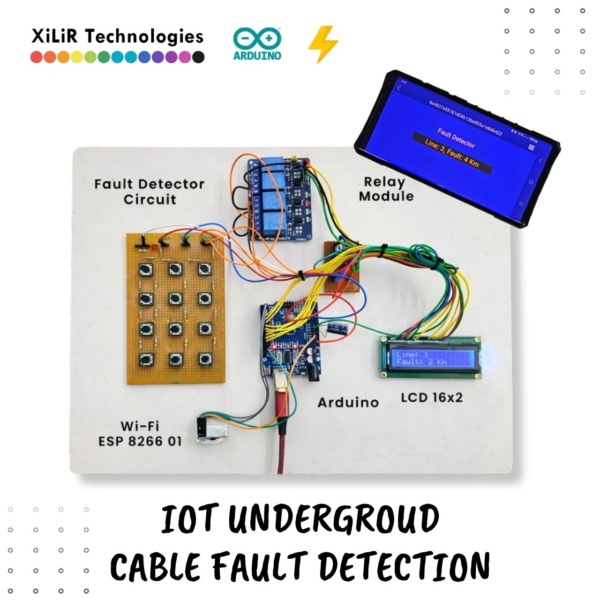
The objective of this project is to design and implement a smart fault detection system that can monitor the load lines in real-time and identify any faults that may occur within the electrical network.
INTRODUCTON
Reliable underground cable networks are essential for modern electrical power distribution, particularly in densely populated urban areas and industrial zones where overhead transmission lines are impractical or unsafe. Underground cables protect power systems from environmental disturbances such as storms, lightning, and falling trees, thereby improving the reliability of electricity supply. According to global energy infrastructure reports, nearly 60–70% of urban distribution networks in developed cities are now underground, demonstrating the increasing importance of underground cable technology. However, when faults occur in underground cables, locating the exact point of failure becomes extremely difficult because the cables are buried beneath the surface. As a result, intelligent fault detection systems are required to reduce downtime and maintenance costs.
The history of underground power transmission dates back to the late 19th century, when the first insulated underground cables were introduced to supply electricity in crowded cities. Early underground cables were made using paper insulation and lead sheathing, which provided basic protection against moisture and mechanical damage. With advancements in materials science and electrical engineering, modern underground cables now use cross-linked polyethylene (XLPE) and improved insulation technologies capable of handling voltages ranging from 11 kV to 400 kV in transmission systems. Despite these improvements, cable faults still occur due to insulation degradation, mechanical stress, moisture ingress, and thermal overload conditions.
Studies in power distribution systems indicate that approximately 70–80% of electrical faults in underground cables are caused by insulation failure, while the remaining faults arise from conductor damage, external excavation activities, or manufacturing defects. In large electrical grids, a single cable fault can interrupt electricity supply for thousands of consumers and may take several hours to locate if proper detection systems are not available. For instance, the average time required to manually locate an underground cable fault can range from 4 to 12 hours, depending on the complexity of the network and accessibility of the cable path. This delay highlights the necessity for automated systems capable of quickly identifying the fault location.
The need for automated underground cable fault detection systems has increased significantly with the growth of smart power grids and IoT-enabled monitoring technologies. Electrical utilities aim to reduce power outage durations by more than 40%, which requires accurate and real-time fault identification methods. Modern microcontroller-based systems using platforms such as Arduino enable continuous monitoring of electrical parameters such as voltage and resistance variations. When a fault occurs, these systems can estimate the fault distance using voltage drop calculations and instantly display the result to operators.
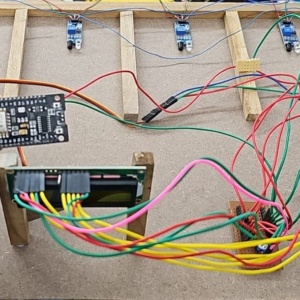
In experimental setups and prototype systems, faults are often simulated using resistor networks representing sections of underground cable. Each resistor corresponds to a specific distance of cable, allowing the system to determine the approximate fault location based on measured voltage changes. For example, if each resistor represents 1 kilometre of cable length, a voltage drop detected after two resistor segments indicates a fault approximately 2 kilometres from the monitoring point. This principle forms the basis of many low-cost fault detection systems designed for educational and research applications.
The integration of Internet of Things technology further enhances the importance of such systems by enabling remote monitoring and data transmission. Using modules such as the ESP8266 Wi-Fi module, fault information can be transmitted instantly to web servers or cloud platforms for analysis and maintenance planning. In modern smart grid environments, IoT-enabled monitoring systems can improve maintenance efficiency and reduce operational costs by 20–30%, while also enhancing system reliability and safety. Consequently, the development of intelligent underground cable fault detection systems has become an important area of research and innovation in electrical power engineering.
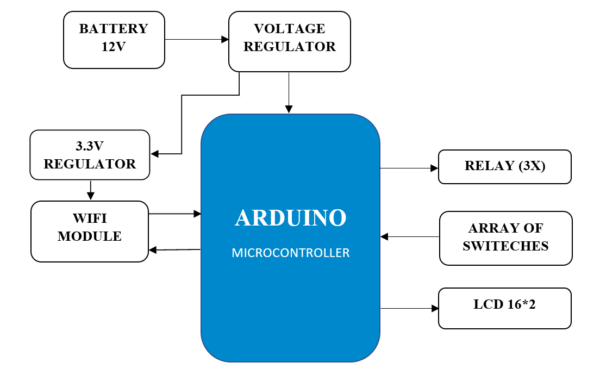
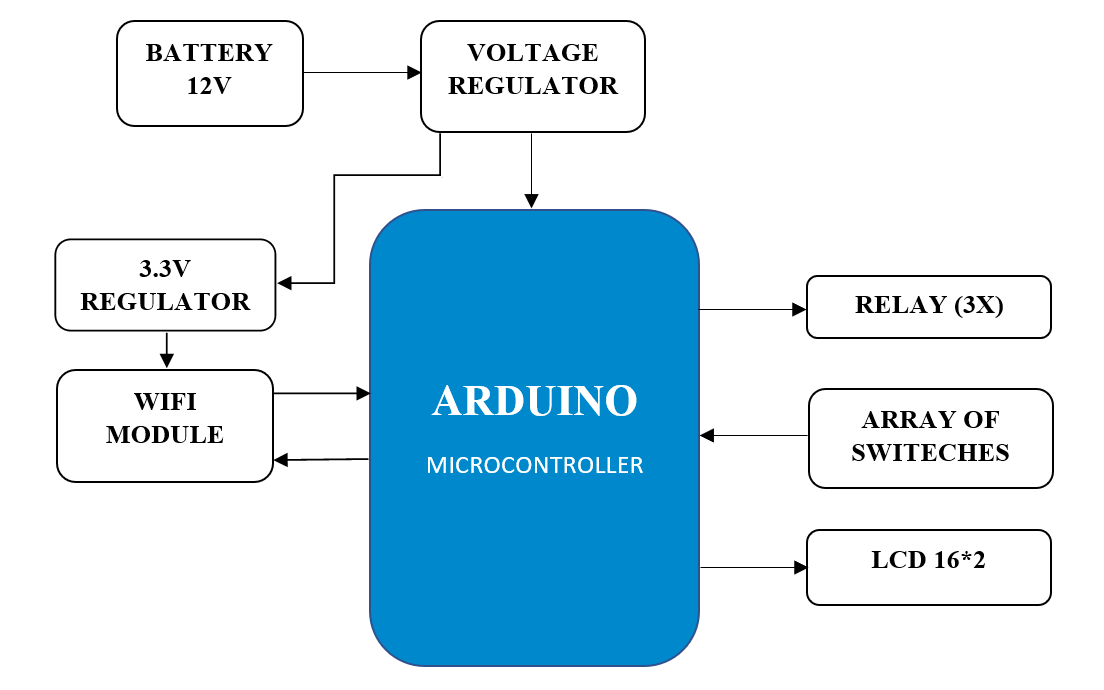
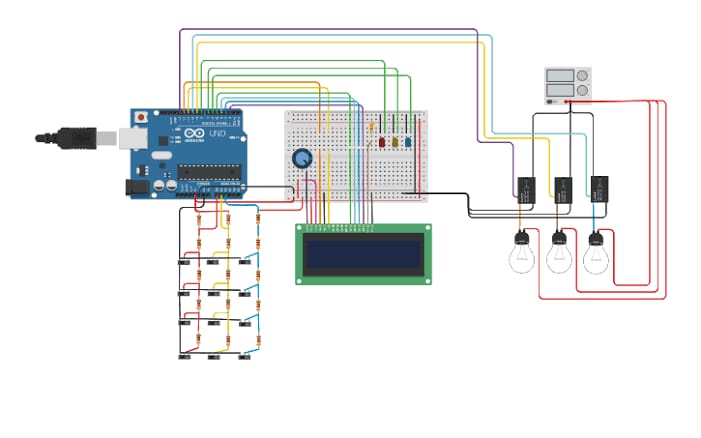
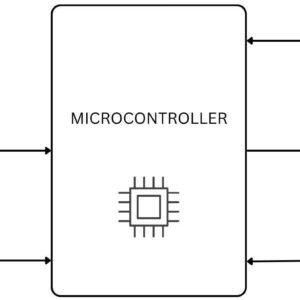
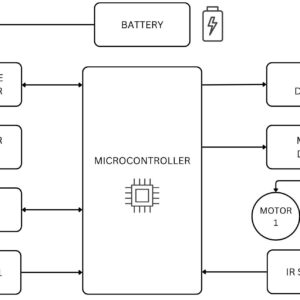
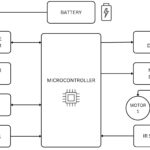
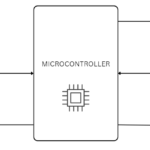
BLOCK DIAGRAM
HARDWARE COMPONENTS
SOFTWARE
Students can enhance or modify this project based on college syllabus, guide instructions, or personal interest.
Customizations help improve innovation, marks, and practical understanding.
Available Customization Options:
🌐 IoT/ AI/ ML Integration ( ThingSpeak, Blynk, Firebase, Web Dashboard etc. )
☀️ Solar Power Integration
🤖 Machine Learning / AI Modules
📡 GPS & GSM Based Tracking / Alerts
📟 Additional Sensors (as per application)
📲 Mobile App / Web Monitoring
📊 Advanced Data Logging & Graphs
⚙️ Hardware & Software Feature Modifications
🎯 Customization as per College or Guide Requirement
If you need any additional feature or modification,
📞 Contact us on WhatsApp and share your requirement.

Early Project Booking Recommended
Early Project Booking – Strongly Recommended
Students are advised to book their final year or semester project early, even with just a title or brief idea. Early booking helps us reserve your preferred topic, start documentation, diagrams, code planning, and component preparation in advance, and provide timely academic guidance.
You will receive complete documentation (abstract, report, block diagram, circuit, code explanation) well before submission. The working hardware kit will be delivered as per your college schedule. PPTs for reviews, viva, or seminars will be prepared on request.
Book early → Stay stress-free → Focus on learning.
Contact us with just the project title—we’ll handle the rest.
No branding, handmade and different look as required by students.
Things provided with the project:
1. Synopsis/ Documents/ Report /PPT
[May be Plagiarism Free, according to your format]
2. Block diagram and circuit diagram.
3. Bill of material.
4. Components Specification.
5. Program/code of Arduino
6. viva preparation
Additional Services u can buy
Research paper, Review paper, Plagiarism free Report with Turnitin report, internship, industrial training/ project etc.
https://www.youtube.com/watch?v=QVRUEAZKgZo&t=187s


Reviews
There are no reviews yet.